
June 25, 2026 / Author: the Railyards
Infill projects help to build and foster new community spaces. Here are 5 examples of how they are being used nationally.
Infill projects use previously decommissioned or otherwise unused urban areas and transform them into newly developed community spaces. They are great for fostering new community connections and creating communal “third spaces” for folks just getting off work to relax or grab a bite to eat. Infill benefits don’t end there; infill can also increase housing inventory in previously unused or underused metro areas.
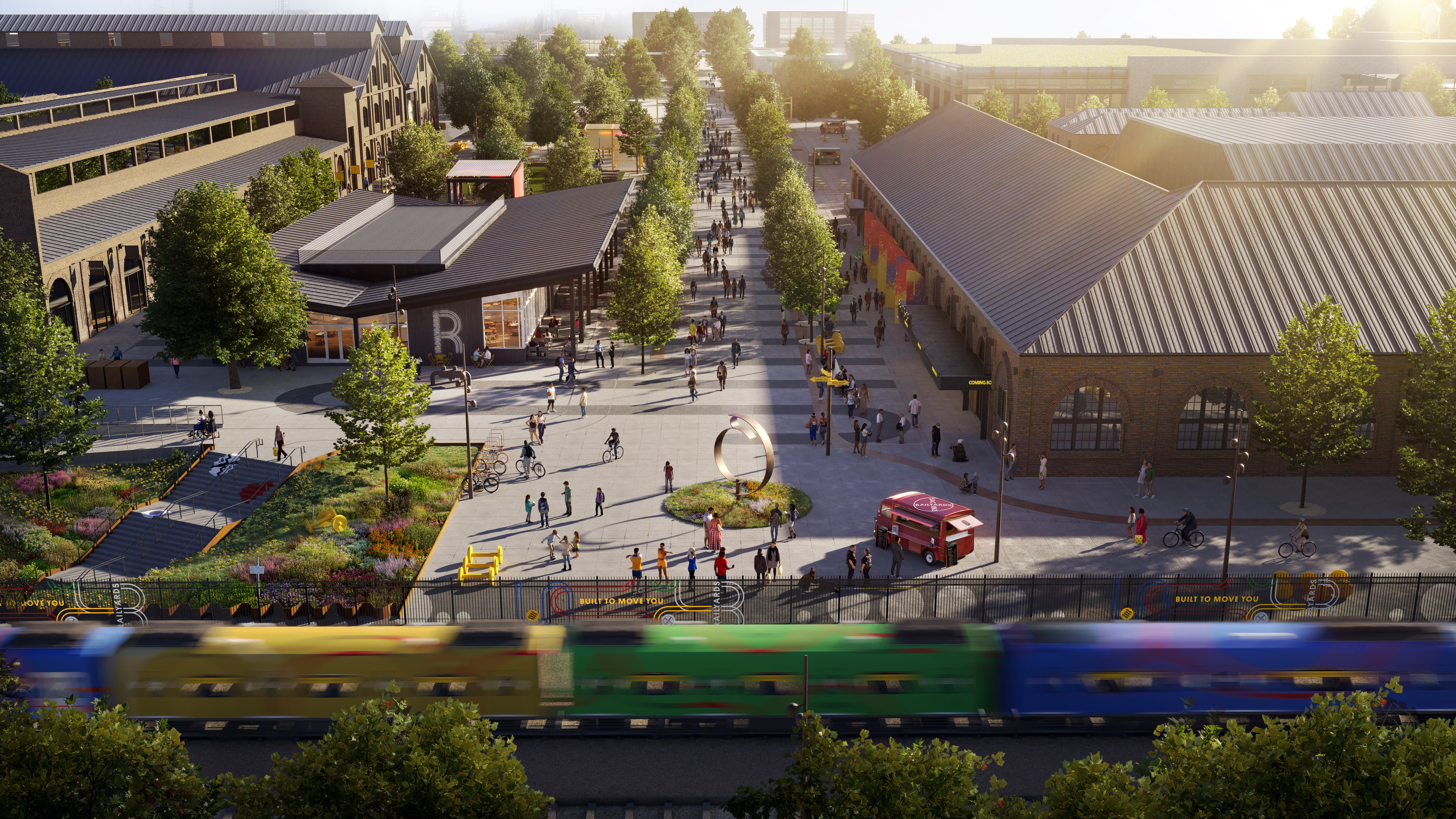
Railyards are popular destinations for infill projects because they are considered Transit-Oriented Developments (TOD) and help entice local residents, employees, and other potential transit riders. In addition to offering a more accessible and convenient way to ride, these developments are typically located near existing high-density residential areas, providing even easier access for those nearby.
Here’s a list of 5 railyards that have transformed, or are on their way to becoming revolutionized community spaces.
1. The Railyards: Sacramento, CA
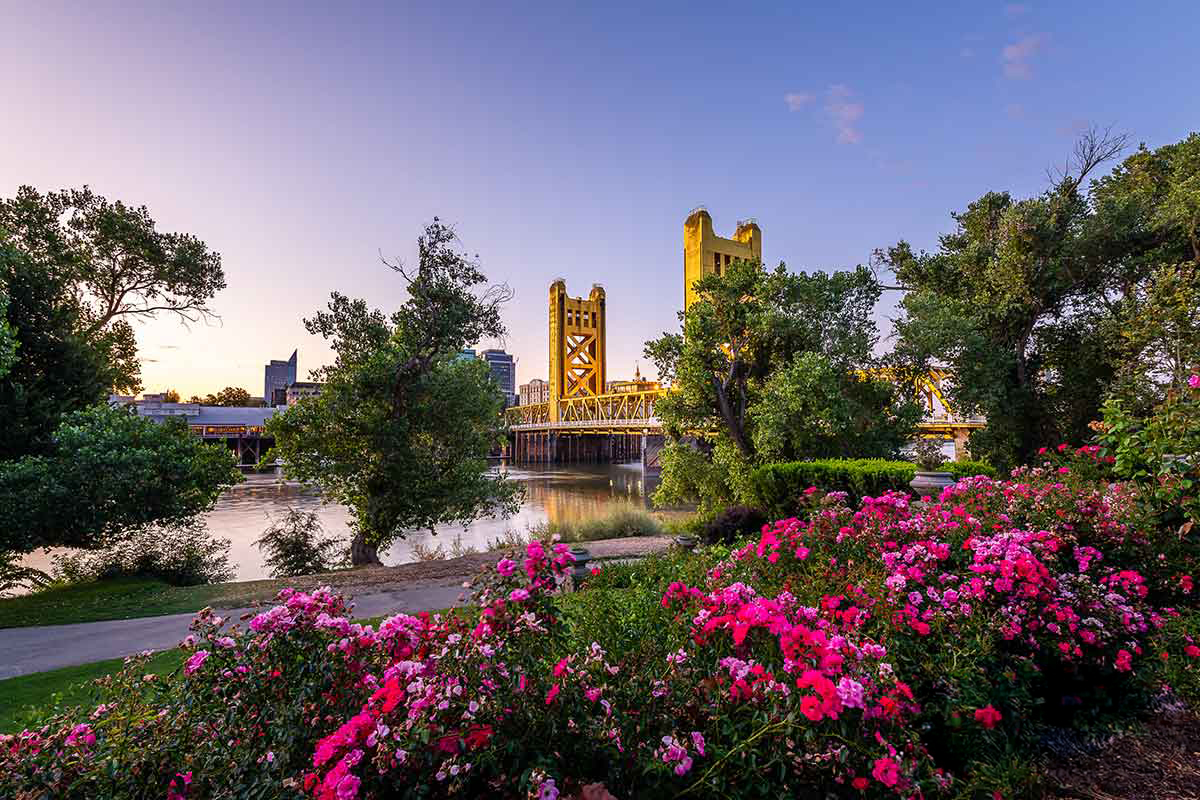
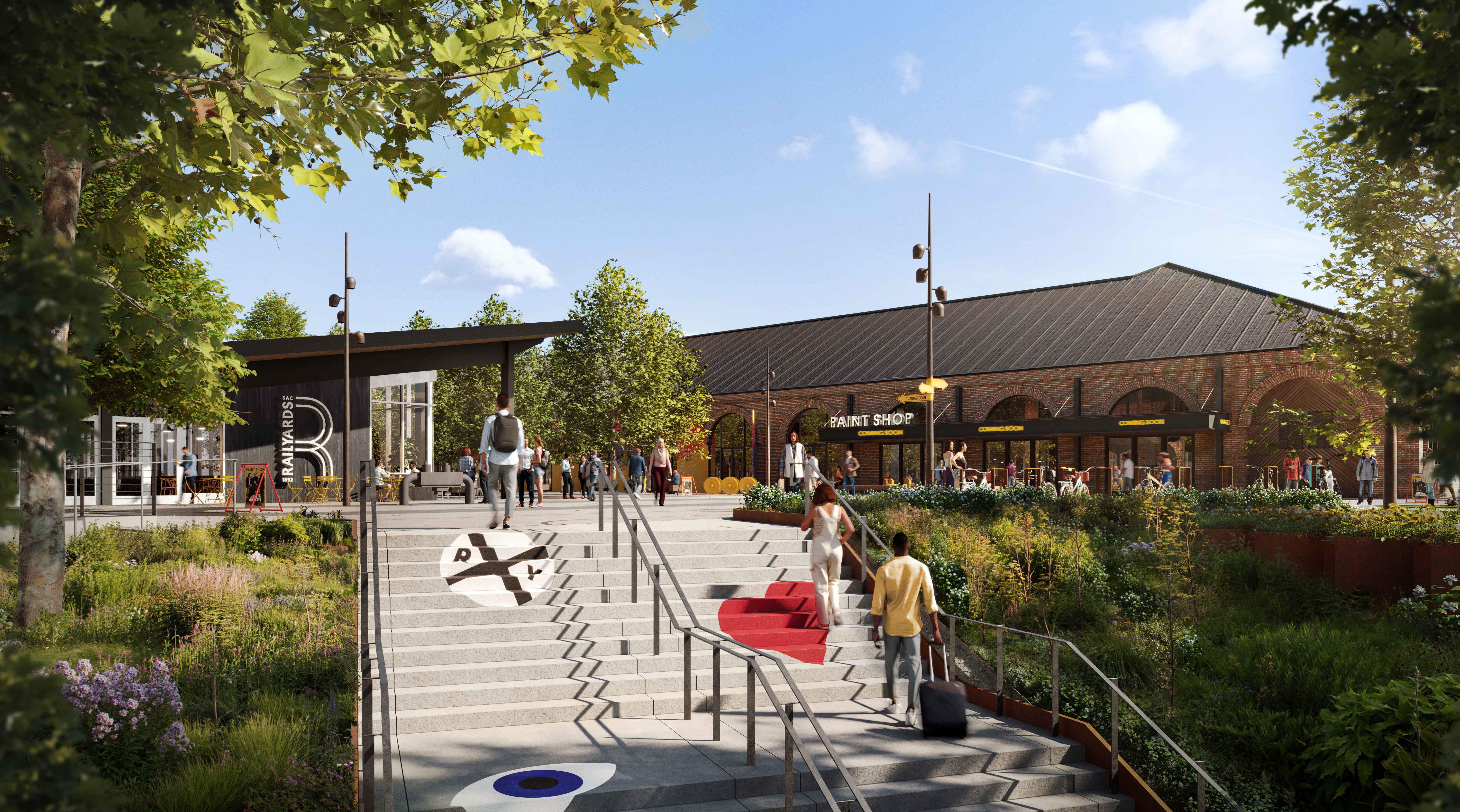
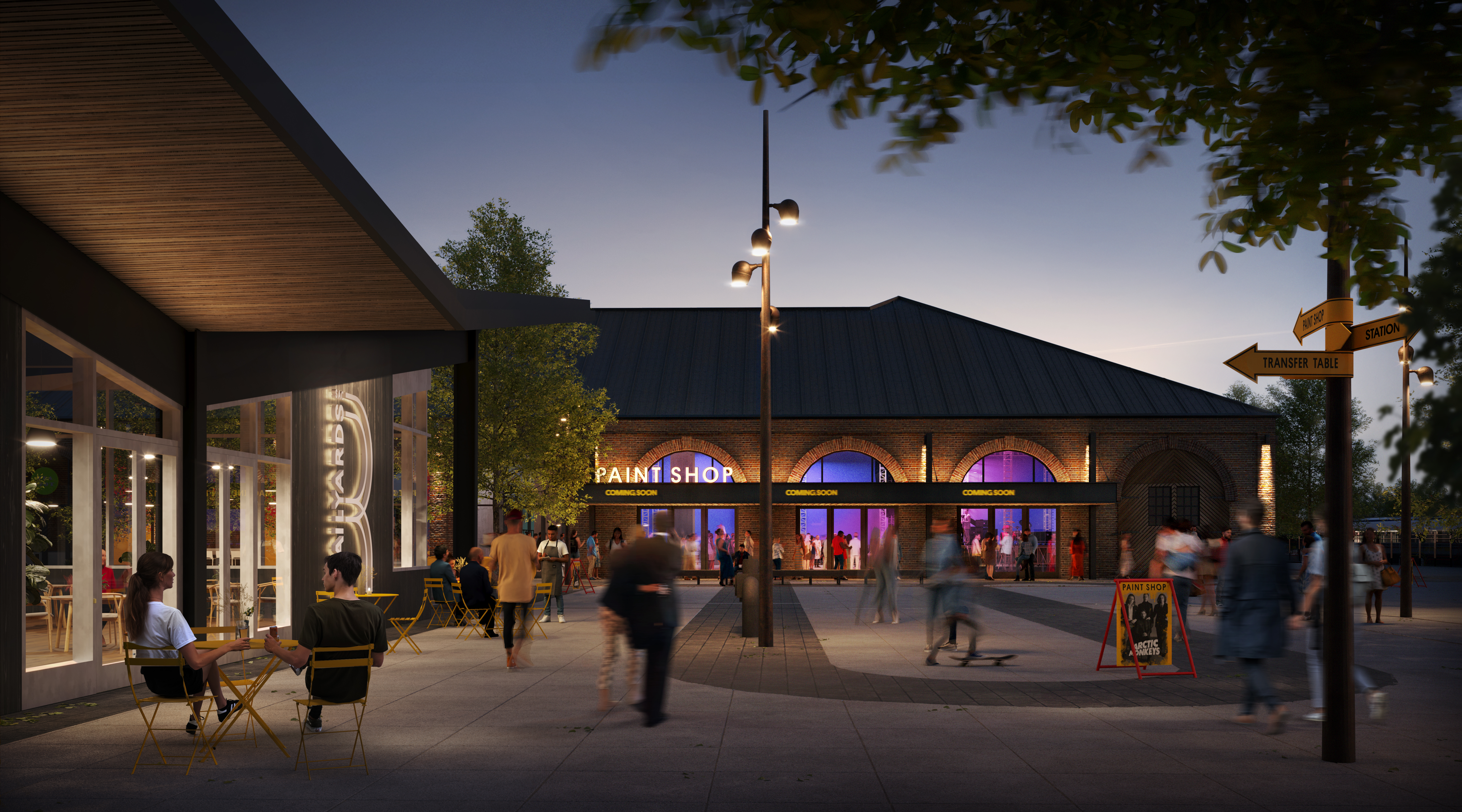
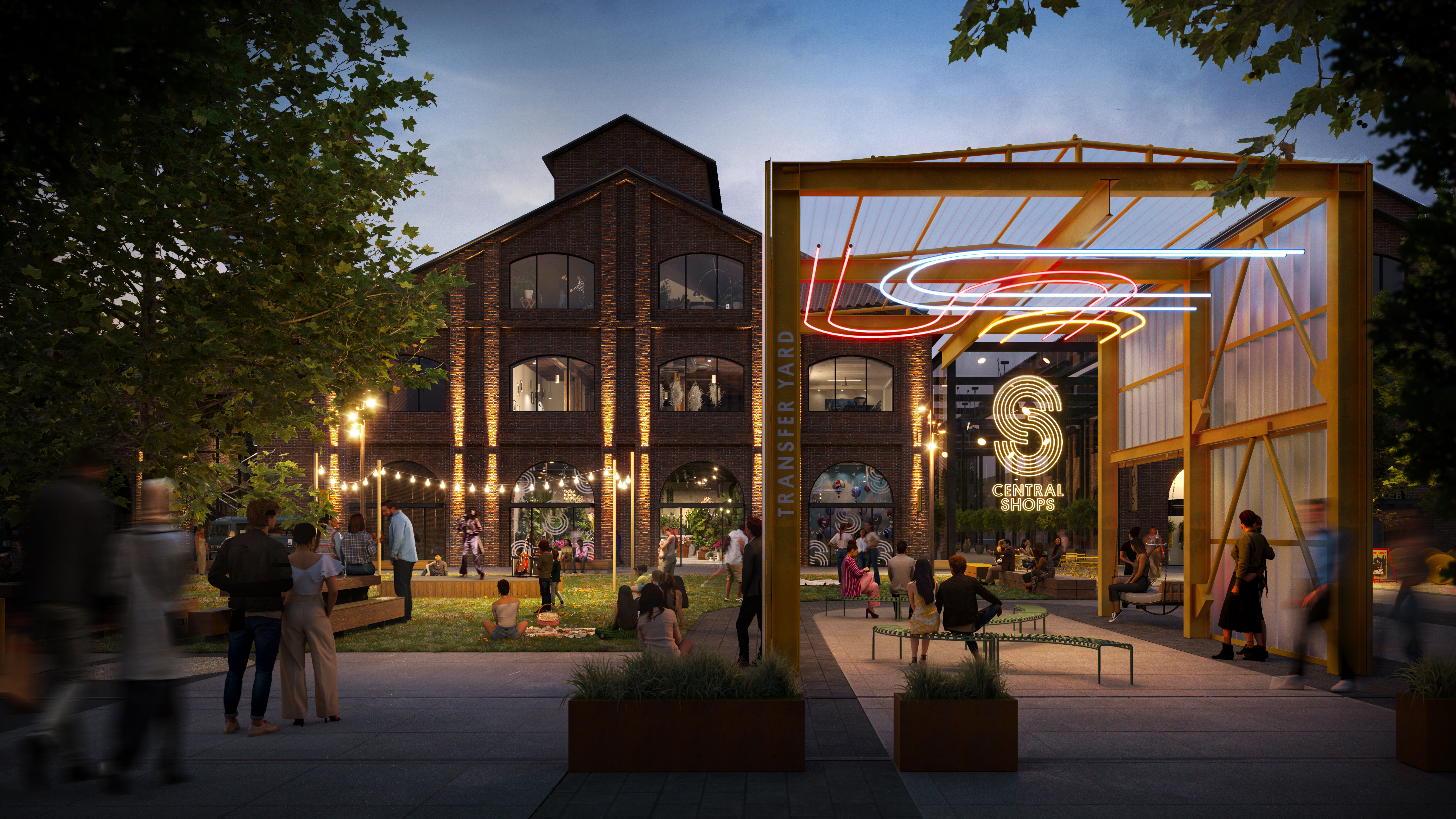
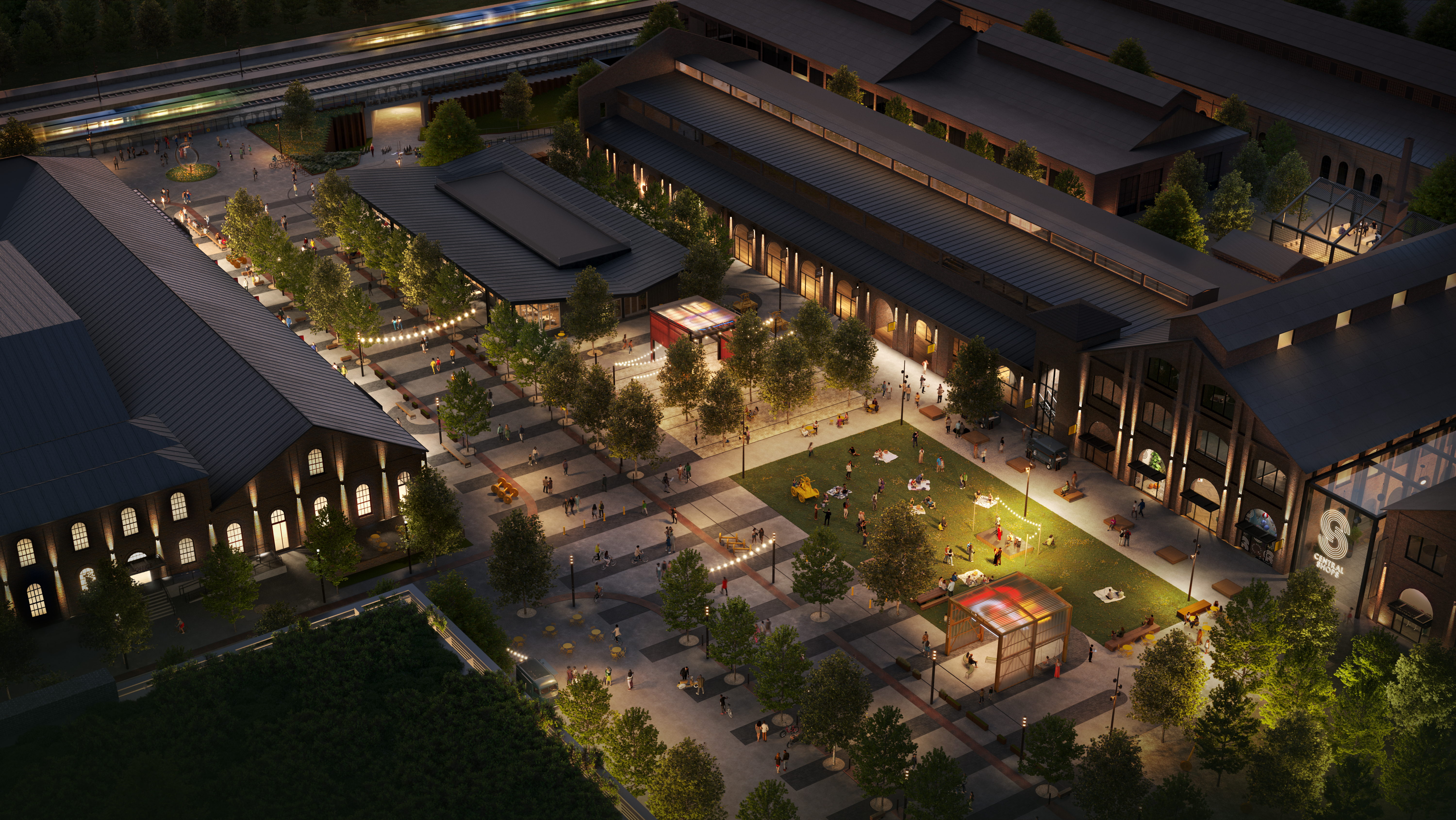
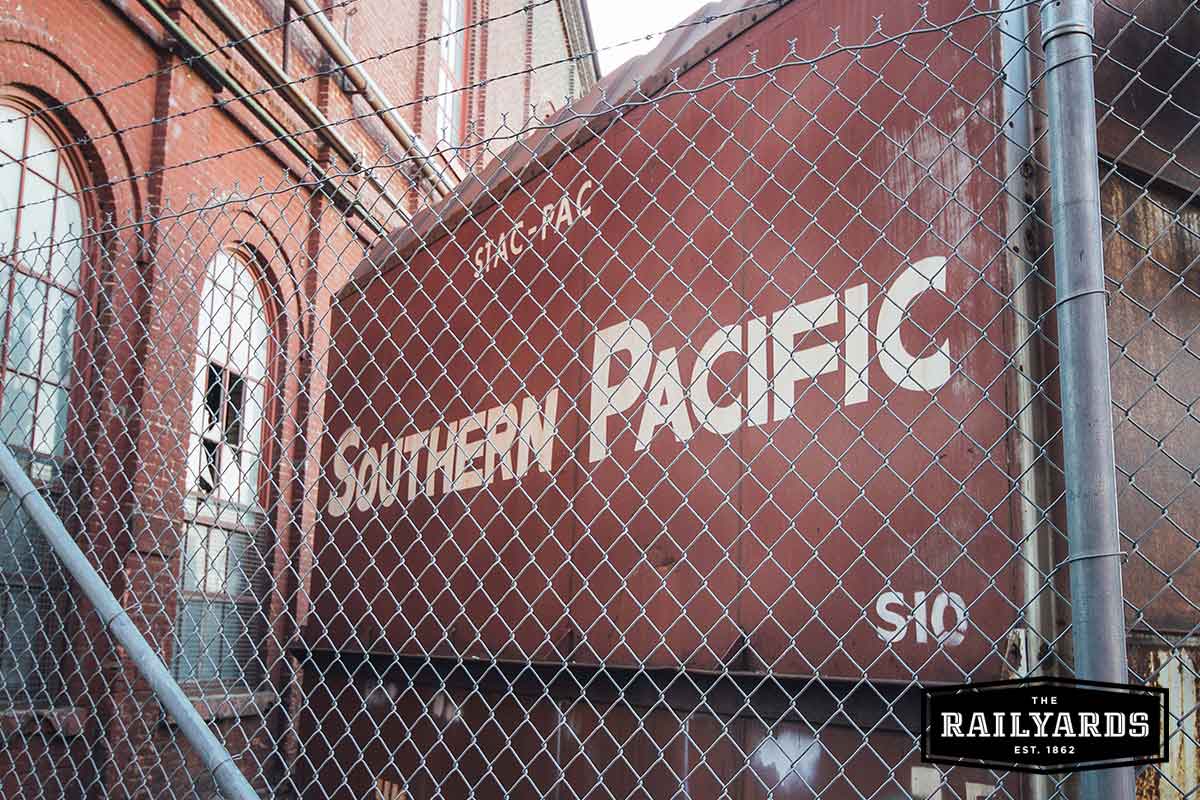
With a vast 244-acre site, the Railyards in Sacramento, CA, is one of the largest infill development projects in the nation. The Sacramento Railyards were once the western terminus of the Transcontinental Railroad. The site is becoming a dynamic, mixed-use TOD featuring housing, retail, and more.
The Railyards is offering new, sustainable housing in Sacramento. The AJ is now leasing the first mixed-use residential development at the Railyards. The pet-friendly community offers 303 residential units, 61 of which are affordable units, on top of 3800 sq. ft. of first-floor retail space. The Wong Center, a senior housing project with 150 total one or two-bedroom units, is now open. The Telegrapher Apartments, another residential project planned for the Railyards, will offer 301 units, ground-floor retail, and a pool-centered courtyard.
Residents of the Railyards will enjoy convenient access to nearby amenities, including retail, the soccer stadium, and health care. In 2025, Kaiser Permanente broke ground on an 18-acre medical campus at the Railyards. The hospital will significantly enhance healthcare access in Sacramento.
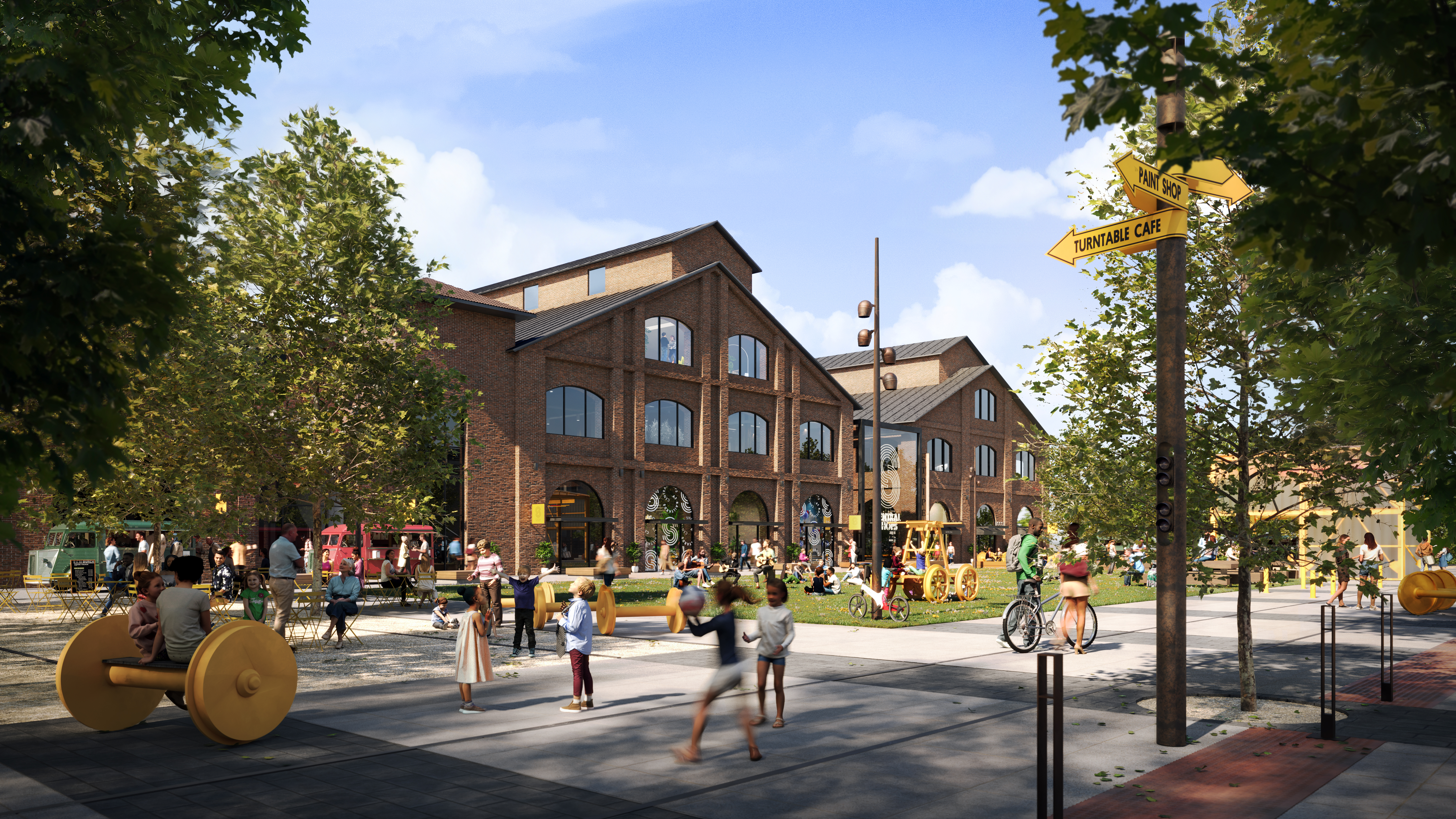
One of the most exciting projects in the Railyards is the preservation and adaptive reuse of the historic Central Shops. The Sacramento shop yards, consisting of 8 historic shops, will be preserved and repurposed by the same team responsible for San Francisco’s Ferry Building. Explore the Railyards projects.
2. Truckee Railyard Project: Truckee, CA
With plans dating back to 1995, Truckee adopted the amended plan for the Railyard redevelopment in 2016. By leveraging the historic Downtown Core, the Railyard Master Plan will transform the area into a pedestrian-oriented activity center.
The project is developing a neighborhood that blends seamlessly into downtown Truckee. Residents will enjoy nature trails and pedestrian-friendly pathways for walking and biking that connect the Railyard to downtown. The plan also includes the restoration of Trout Creek, which revitalizes aquatic habitat and improves floodplain stability within the creek corridor.
A new amendment to the Railyard Master Plan was adopted in April 2025. Today, the plan focuses on preserving Truckee’s history and uniqueness by connecting the Railyard to the core of Downtown Truckee. The Railyard will complement Downtown Truckee by diversifying land use. That includes mixed-use spaces offering single- and multi-family housing, retail, dining, and more.
3. Denver Riverfront Park: Denver, CO
This 23-acre mixed-use residential development, adjacent to downtown Denver, is a thriving neighborhood with access to parks and other open spaces. The first buildings in Denver Riverfront Park opened in 2001. Construction continued through 2018.
Built on the site of a former railyard, Riverfront Park is connected to Downtown Denver by the walkable Millennium Bridge. The area became a magnet for local pedestrians. Today, the development includes more than 2,300 homes, retail and restaurant space, an art museum, and a public plaza.
4. Albuquerque Railyards Project: Albuquerque, NM
With a plan 16 years in the making, the Albuquerque Railyards Redevelopment project includes the extensive refurbishment of old buildings and the addition of new hotels, shops, restaurants, galleries, and performance spaces. Planners aim to make the area as accessible as possible by removing fencing around yards adjacent to neighborhoods and by including a bridge over the tracks with landscaping and boarding.
City and community leaders made a point of preserving the historic turntable and smokestack at the railyard, in addition to adding a new train stop and underground parking garages.
5. Lakeshore East: Chicago, IL
Built on a former railyard, Lakeshore East offers an accessible, communal space in the heart of downtown Chicago. Lakeshore East Park is a 6-acre green space at the heart of the project, integrated into the area’s existing multi-level street system. Planners made further use of a 50-foot difference between North Harbor Drive and Lower Lake Shore Drive by creating Cascade Park, a 0.8-acre terraced park.
With its switch-back paths and mix of green spaces and walkways, Lakeshore East provides a great place to relax and access the grand waterfront of Lake Michigan. The development is home to architecturally acclaimed high-rises, residential space, walking and cycling paths, and a connection to Chicago’s pedestrian walkway system, the Pedway.
These 5 projects reveal how infill redevelopments can create, transform, and grow communities by providing new housing and opportunities for local businesses. In addition, these projects help our environment by reducing greenhouse gas emissions from travel by encouraging the use of bikes and other emission-free transportation.
The stories don’t end here! Learn more about other urban infill initiatives here.
This post was originally published in 2023. It was updated in 2026 to include the latest information about these 5 infill projects.