
July 7, 2026 / Author: the Railyards
Sustainable development has been the talk of the town since the UN introduced its goals in 2015. But what does it incorporate?
“Sustainable development is development that meets the needs of the present without compromising the ability of future generations to meet their own needs.” - The UN Conference on Environment and Development
There are many ways to view sustainable development, but ultimately, it is a group of principles balancing our need to develop and grow while keeping future generations in mind. While discussions of sustainable development often focus on climate conservation, it’s a broader topic. Sustainable development is about finding a better way to do things today so we can enjoy a more equitable and sustainable future.
Standards surrounding sustainable development range from global in scope to small-scale efforts in local communities. Find out how sustainable development is defined and implemented from the UN down to our local city of Sacramento.
The UN Global Blueprint for Sustainable Development
The UN defines sustainable development with 17 different goals, explained below. It functions on three basic principles: economic growth, social inclusion, and environmental protection.
In 2015, the UN adopted the 2030 Agenda for Sustainable Development, which includes 17 defined goals for sustainability. They include:
- No Poverty
- Zero Hunger
- Good Health and Wellbeing
- Quality Education
- Gender Equality
- Clean Water and Sanitation
- Affordable and Clean Energy
- Decent Work and Economic Growth
- Industry, Innovation, and Infrastructure
- Reduced Inequalities
- Sustainable Cities and Communities
- Responsible Consumption and Production
- Climate Action
- Life Below Water
- Life on Land
- Peace, Justice, and Strong Institutions
- Partnerships for the Goals
California’s Sustainable Development Goals
California has a long history of driving innovations for climate, energy, and environmental sustainability.
Today, California is home to many of the world’s largest investments in clean energy and sustainable transportation. In 2019, California invested more in private venture capital investments for clean energy technologies than all the other states in the top ten combined.
In California, residential and commercial buildings currently account for approximately 25% of the state’s greenhouse gas emissions. Because of this, embracing green building practices is essential to reach sustainability goals. Well known for its ambitious climate and energy goals, California is the first U.S. state to adopt and enforce a green building code.
CALGreen is the California Energy Commission’s (CEC) mandatory Building Energy Efficiency Standards for built environments. Local jurisdictions may adhere to more stringent green building standards.
In California, mandatory measures for sustainable development focus on insulation, air leakage, indoor air quality, HVAC efficiency, and lighting efficiency and efficacy.
Sacramento’s Blueprint for Sustainability
The City of Sacramento released its 2035 General Plan, detailing policies and legislation with goals focused on physical development, economic growth, and other citywide sustainability efforts. Sacramento’s Land and Urban Design section contains a Growth and Change explanation. In this plan, policies “provide for strategic growth and change that preserves existing viable neighborhoods and targets new development for infill areas that are vacant or underutilized, as well as to ‘greenfield’ areas.”
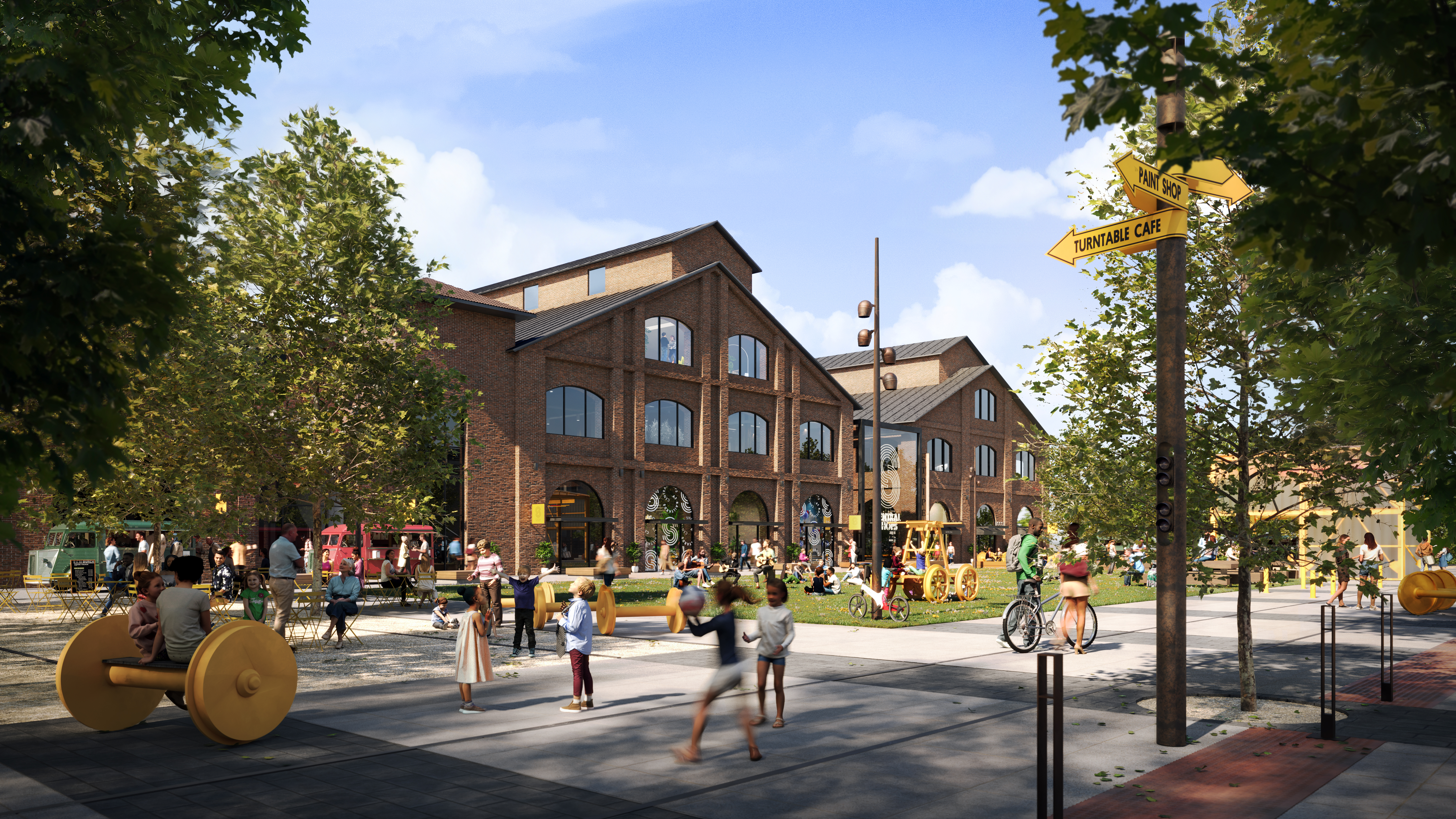
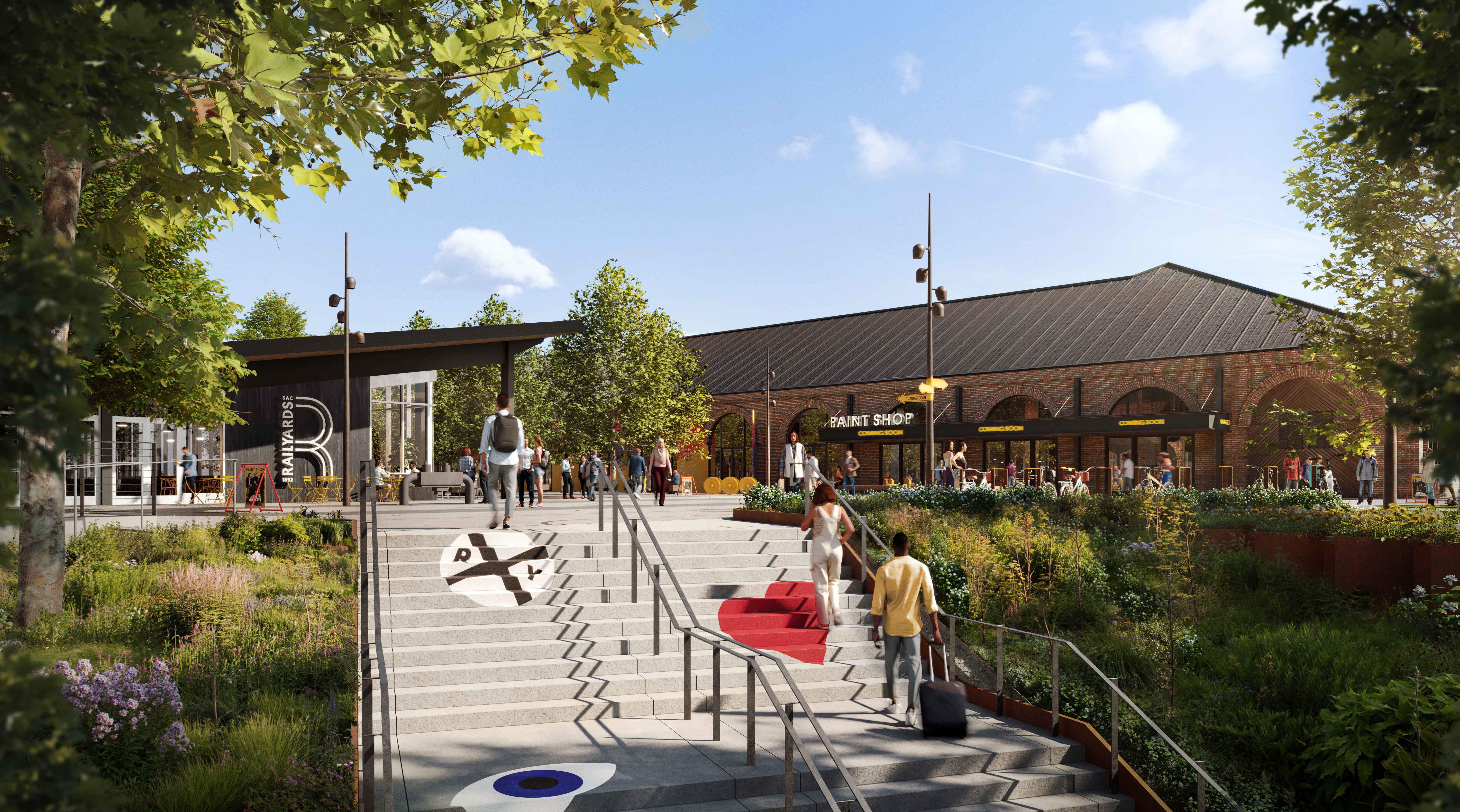
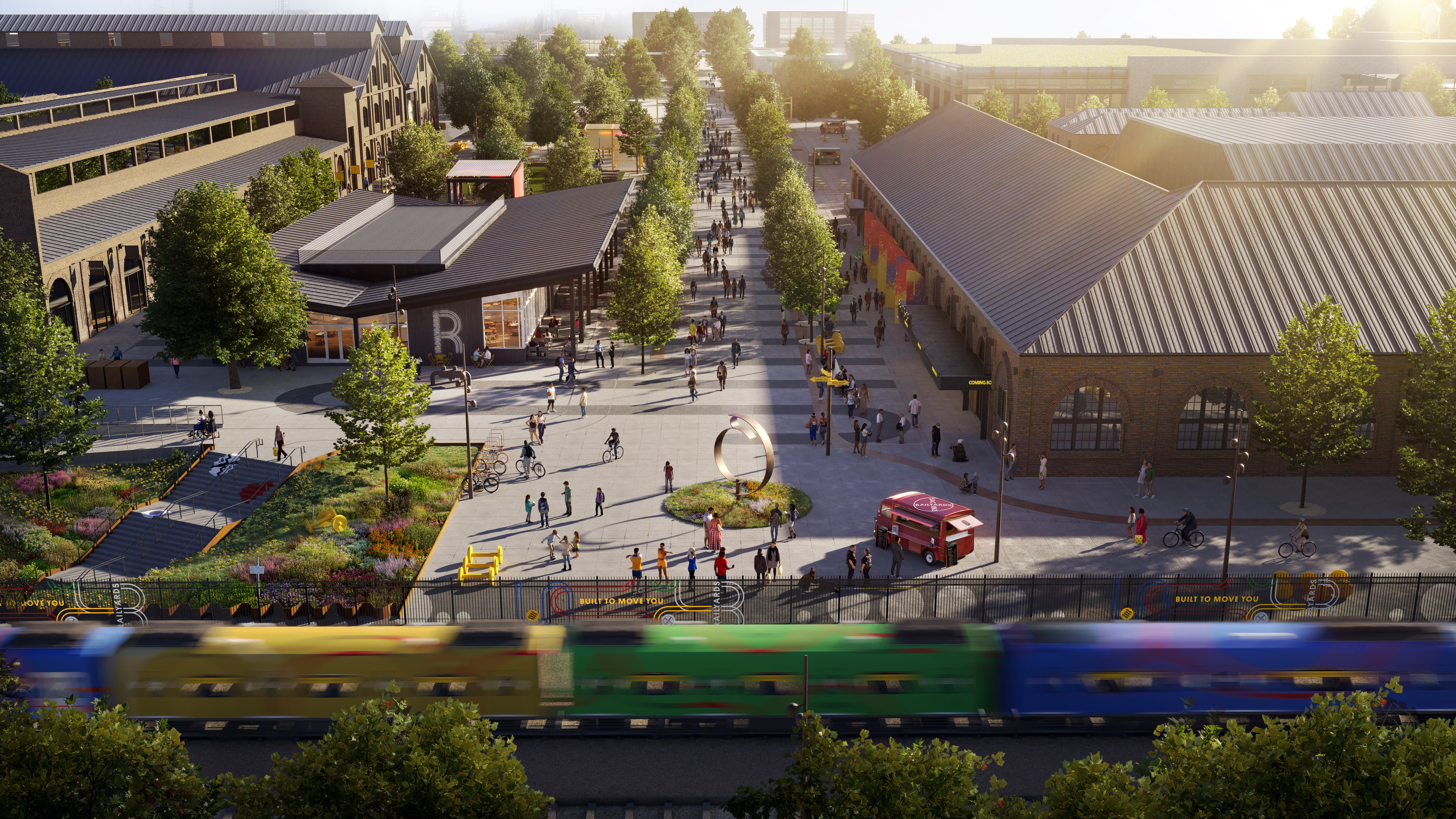
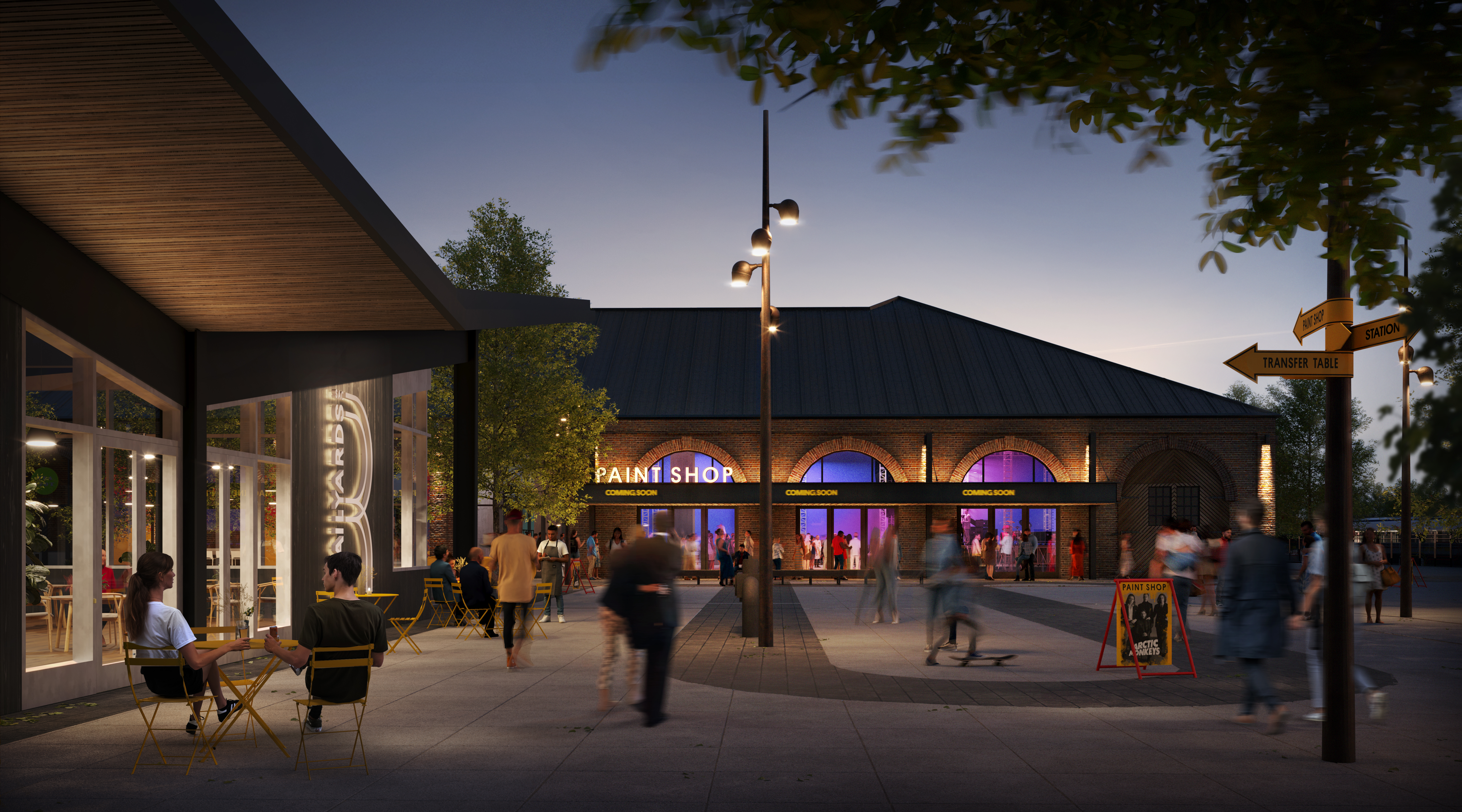
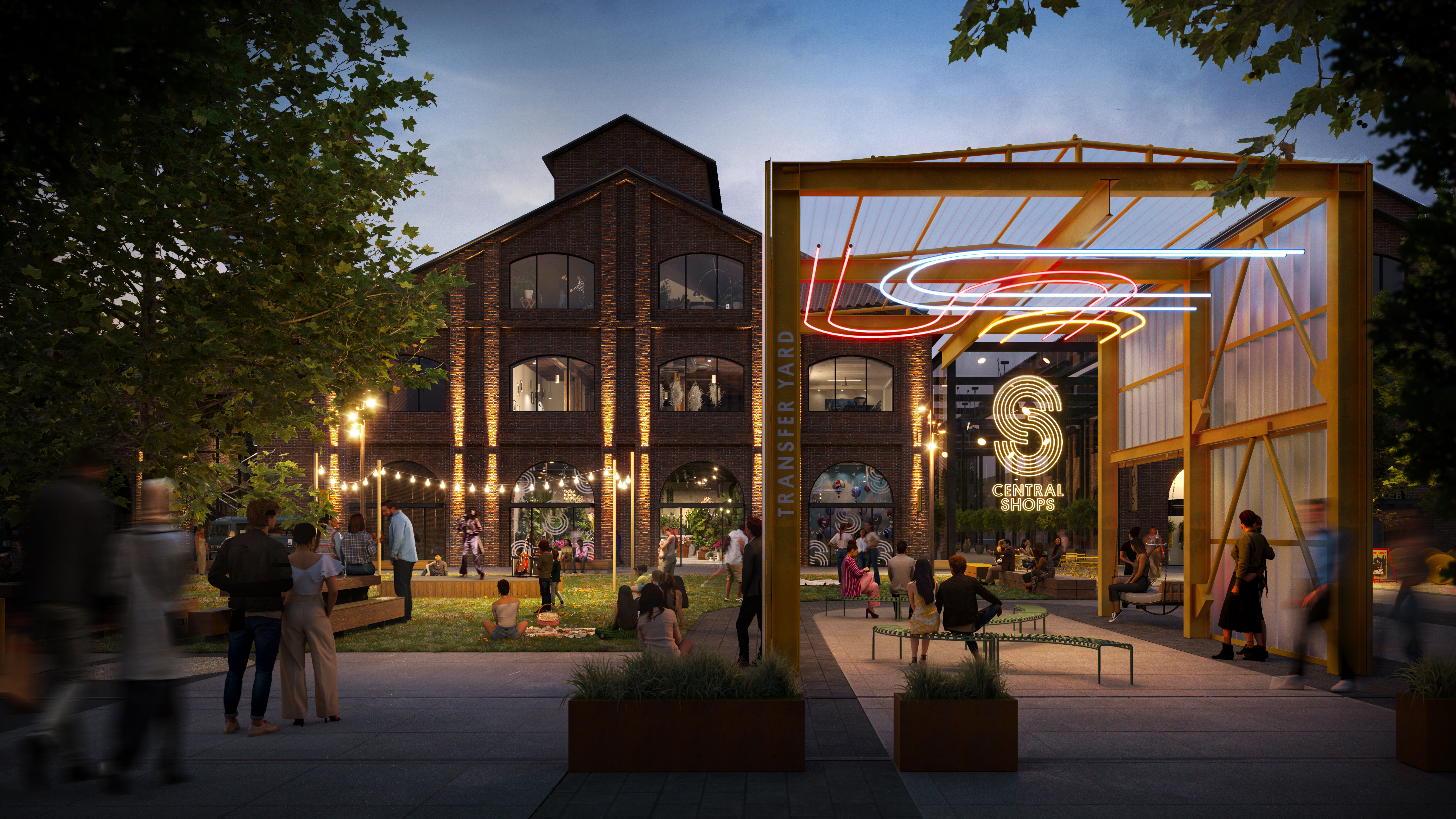
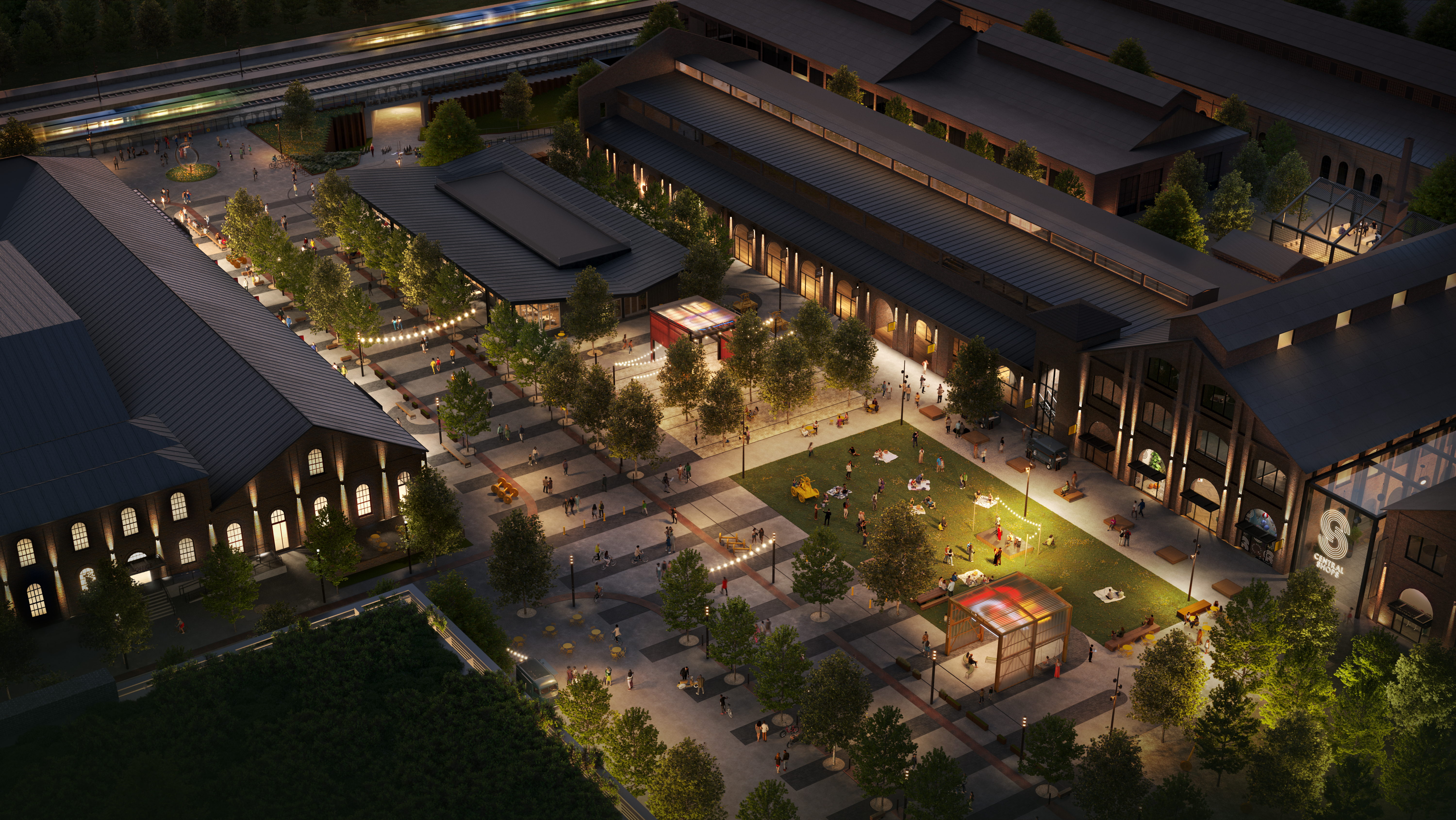
The Railyards is a key example of sustainable development through infill, specifically for Sustainable Cities and Communities. As one of the largest infill projects in the nation, the plans transform 244 acres of historically significant land into a thriving, mixed-use urban community. The Sacramento Railyards Specific Plan includes policies and regulations that facilitate and support both pedestrian and bicycle transportation and support area transit while minimizing the need for automobiles.
In addition, the 2035 General Plan includes the Sacramento Climate Action Plan, which outlines how the city and outlying communities can reduce greenhouse gas emissions by identifying targets for reduction while planning specific actions.
Some strategies that Sacramento plans to implement include:
- Use of public transit
- “Green Building” practices
- Mixed-use development encouraging walking and biking
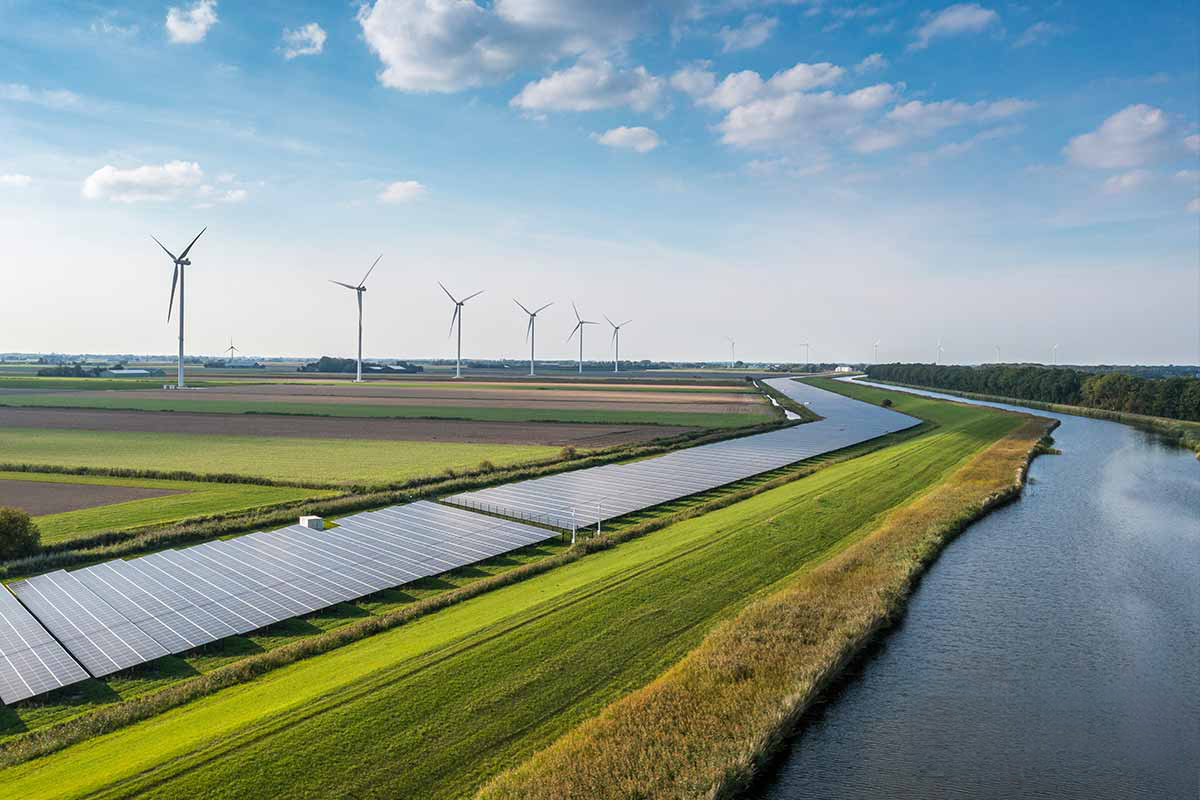
- Use of solar energy systems
- Architectural design reducing heat gain
- Recycled construction materials
- Water conservation measures
- Infrastructure for walking, biking, and tree planting
Building a sustainable future means setting goals and standards for green building and living at global, national, statewide, and local scales. From the UN to the City of Sacramento, a commitment to sustainable development helps provide a brighter, more equitable future for all.
This post was originally published in 2023. It was updated in 2026 to include current information on sustainable development.